- AI Trailblazers
- Posts
- Navigating AI: Hype, Risks, and the Shifts We Can’t Ignore
Navigating AI: Hype, Risks, and the Shifts We Can’t Ignore

AI is reshaping headlines across video, commerce, and work, but not always in the ways people expect. OpenAI’s Sora 2 dazzles with hyper-real clips while fueling new debates about safety and speed. In retail, AI-driven discovery is pulling shoppers away from Google and leaving marketers scrambling for visibility. And in the labor market, fears of mass layoffs remain overblown, with research showing AI’s biggest disruption so far is inefficiency, not unemployment.
Join us at the AI Trailblazers Winter Summit 2025! “Feed the Story, Fuel the Signal” brings together leaders in marketing, media, tech, and innovation for high-impact panels, fireside chats, and networking in New York. You’ll learn how AI is transforming brand storytelling, fueling smarter growth strategies, and unlocking new creative possibilities, insights you can put to work immediately. Don’t miss the chance to connect with peers shaping the future.
Sora 2 Sparks Frenzy, And a Fresh Fight Over Safety
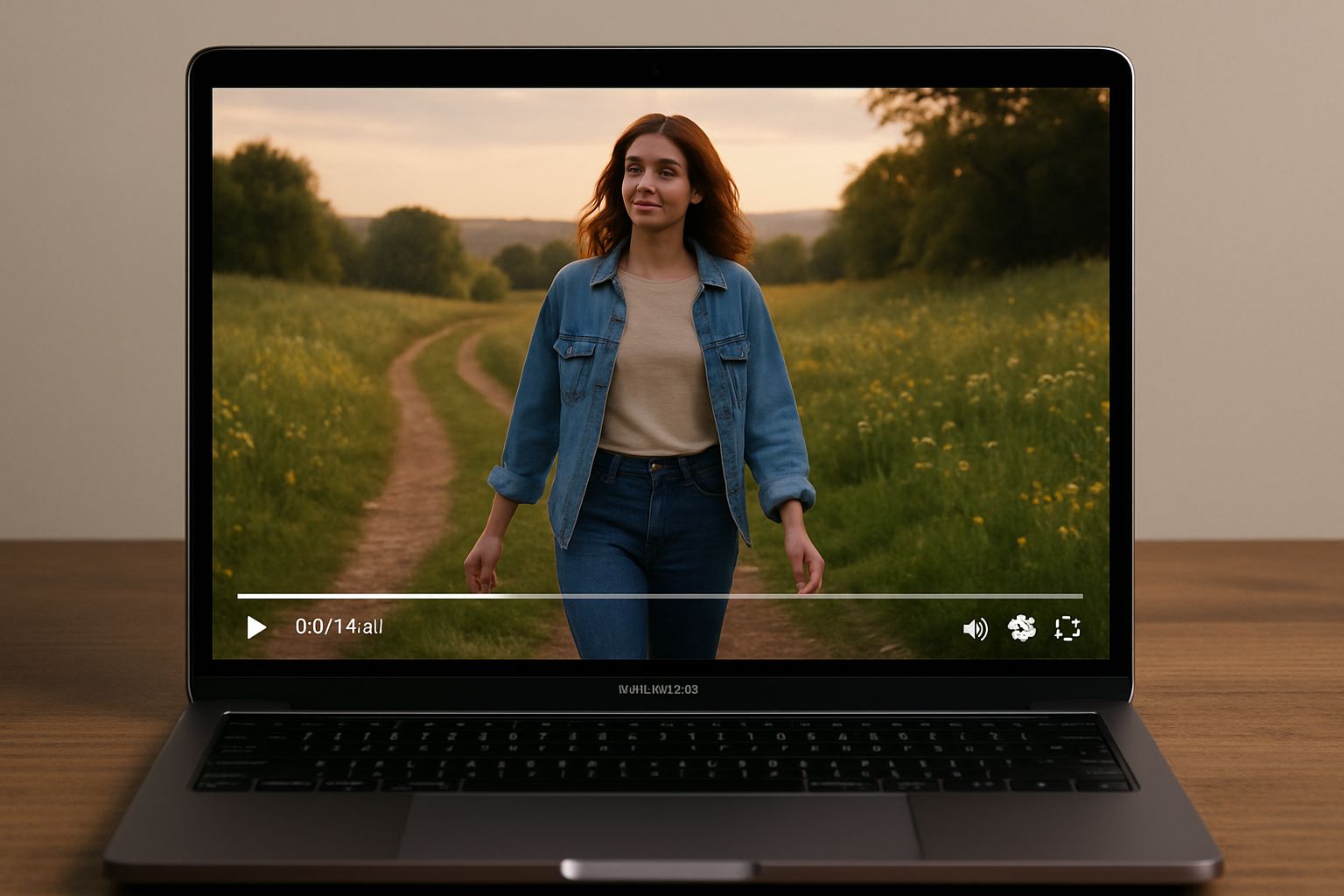
CNBC looks at OpenAI’s latest release, Sora 2, is igniting both fascination and controversy as it pushes AI video generation into new territory. The app’s viral success spotlights stunningly realistic clips while reigniting old debates about safety, censorship, and the pace of innovation. Beneath the hype, Sora 2’s launch highlights OpenAI’s trademark tension: racing ahead of rivals while grappling with the risks of putting such powerful tools directly in the hands of the public.
Sora 2’s breakout launch: OpenAI’s Sora 2 has gone viral with hyper-realistic, longer video clips, despite being invite-only. A viral deepfake of Sam Altman shoplifting GPUs highlighted both its power and risks. The app quickly shot to the top of Apple’s App Store, cementing OpenAI’s dominance in consumer AI video.
Safety vs. speed dilemma: Inside OpenAI, debates continue over how to balance strong guardrails with creative freedom. Leadership insists on safeguards like prompt filtering and content bans, but users have already bypassed some protections. Critics argue OpenAI is once again prioritizing speed over safety in its rollout.
Industry rivalry and scale: OpenAI’s rapid release follows competition from China’s DeepSeek and rivals like Meta, Google, and ByteDance entering the AI video race. Unlike its scrappy origins, OpenAI now has institutional scale, enabling faster product cycles and $850 billion in new spending. The company just hit a $500 billion valuation, underscoring its market power.
Bigger picture: AI’s path to general intelligence: Experts say video is essential for training models to reason more like humans, since it mirrors real-world sensory learning. Researchers are feeding AI-generated videos back into systems to accelerate progress toward AGI. Former OpenAI exec Zack Kass argues releasing powerful tools early is necessary, because secrecy or inaction would be worse for society.
AI Trailblazer Takeaways: Sora 2 is more than a viral toy, it’s a stress test for how quickly society can adapt to frontier AI. The app proves that OpenAI can capture attention at scale, but it also exposes the cracks in its safety playbook as users leapfrog guardrails almost instantly. The deeper story isn’t just about deepfakes or app rankings, it’s about whether racing to dominate the market will accelerate progress toward general intelligence or leave regulators, creators, and the public scrambling to catch up.
Zero-Click Future: Why Brands Are Flying Blind in AI Commerce
Digiday explores how AI is rapidly transforming how people search and shop, shifting the starting point from Google keywords to generative platforms like ChatGPT and Gemini. While consumers are eager for personalized AI-driven shopping experiences, marketers are scrambling to keep pace with declining search traffic, new optimization demands, and uncertain measurement frameworks. The result is a commerce landscape in flux, where experimentation is high but true readiness remains elusive.
Shoppers embrace AI discovery: Consumers are shifting from keyword-based Google searches to AI tools like ChatGPT, with 68% of shoppers worldwide already using AI to shop. Reports show 52% are eager for personal AI shopping agents, and 40% would fully hand off online shopping to assistants. This change is blurring the traditional line between brand marketing and performance marketing.
Traditional search declines: AI-driven search is eroding Google’s dominance, with 33% of users reducing their reliance on traditional search engines. Marketers are seeing real effects, 62% report declines in traffic and clicks from search, while 52% of consumers expect AI to replace search engines for product discovery within five years. Brands are redirecting spend to CTV, Meta, and TikTok as they hedge against the shift.
Marketers lag in AI adoption: While 70% of marketers believe Answer Engine Optimization (AEO) will reshape strategy within three years, only 20% are implementing it today. Many are unsure how to optimize for AI chatbots and tools like Google AI Overviews. The playbook for AI discovery looks similar to SEO, but subtle differences are leaving marketers scrambling.
Uncertainty stalls execution: Despite urgency, adoption is slowed by unclear measurement, outdated infrastructure, and fear of mistakes in a high-stakes shift. A striking 84% of brands fail to claim one of their top three most-searched keywords, reflecting widespread gaps in readiness. As one expert put it, marketers are “building the plane as they’re flying it,” navigating evolving tools like AIO and GEO while zero-click search becomes the new normal.
AI Trailblazer Takeaways: AI shopping isn’t a side trend, it’s dismantling the old search economy in real time. Consumers are already leaning on generative platforms as personal buying assistants, while marketers are stuck playing catch-up with outdated tools and shaky measurement. The irony is clear: shoppers are racing ahead into an AI-first future, and brands risk losing visibility not because demand is gone, but because they’re too slow to show up where discovery now begins.
AI Job Apocalypse? Not Yet, Says Yale Study
Despite all the hype about AI wiping out jobs, new research suggests the U.S. labor market hasn’t budged much since ChatGPT’s launch. CNN examines a Yale study that shows no sweeping automation-driven layoffs or mass role reshuffling, though isolated cuts tied to AI have grabbed headlines. The bigger takeaway: disruption may come later, but for now, fears of an AI job apocalypse are running ahead of reality.
No major labor disruption yet: A Yale study found ChatGPT and generative AI haven’t caused significant shifts in the US workforce since its 2022 debut. Researchers saw no evidence of widespread automation pushing workers out of jobs or creating new roles en masse. Their conclusion: fears of mass displacement remain speculative, not observed.
Too early to predict the future: The study stressed that AI adoption is still in its infancy, and today’s stability doesn’t guarantee tomorrow’s. Researchers plan to track labor impacts monthly, as AI capabilities evolve and spread. Leaders like Anthropic’s CEO and Salesforce’s Marc Benioff warn that future disruptions could still be dramatic.
Isolated layoffs tied to AI: While the overall labor market shows no disruption, some companies have cited AI when cutting staff. Dropbox and Duolingo, for instance, pointed to automation potential when trimming their workforces. Surveys also reveal many employers anticipate downsizing as AI tools take over certain tasks.
AI’s limits and “workslop”: Despite the hype, most companies aren’t profiting from AI adoption, 95% reported no financial gains in MIT research. Instead, poorly executed use often creates “workslop,” where employees churn out low-effort AI content that colleagues must fix. This highlights AI’s double-edged impact, adding inefficiency even as it promises automation.
AI Trailblazer Takeaways: The great AI layoff wave hasn’t hit, at least not yet. For all the panic, the U.S. workforce looks basically unchanged since ChatGPT arrived, with only a few companies citing AI in staffing cuts. The real story right now is less about jobs vanishing and more about “workslop”: poorly used AI piling extra tasks on humans instead of freeing them up, a reminder that technology alone doesn’t transform work—execution does.
Quote of the Week
“AI is going to change literally every job.”
- Doug McMillon , CEO of Walmart
Links of the Week
AI Enhances – And Erodes – Data Center Cybersecurity (DataCenterKnowledge)
Lavazza Pilots AI Personas to Optimize Marketing (Consumer Goods Technology)
How AI Is Upending How Consulting Firms Hire Talent (Harvard Business Review)
Tilly Norwood Is “an AI Tool, Not a Performer” Says U.K. Acting Union Equity: “We Are Concerned About Where That Work Has Come From” (The Hollywood Reporter)
How AI is making it easier to design new toxins without being detected (The Washington Post)
Humanity May Achieve the Singularity Within the Next 3 Months, Scientists Suggest (Popular Mechanics)
OpenAI’s New Video App Is Jaw-Dropping (for Better and Worse) (The York Times)
AI Trailblazers Upcoming Forums Calendar
December 4th, 2025 - AI Trailblazers Winter Summit, New York, NY
Partner with AI Trailblazers
Our community of business leaders is growing fast and we are planning more forums. To discuss partnership opportunities that connect our partners with AI decision makers including at our summits and this newsletter, email us.
What is AI Trailblazers?
AI Trailblazers is a vibrant platform dedicated to uniting corporate marketers, technologists, entrepreneurs, and venture capitalists at the forefront of artificial intelligence (AI). Our mission is to fuel growth, innovation, and career development among our members, who all want to be at the forefront of incorporating artificial intelligence into their businesses and their lives for strategic advantage. More information here.